
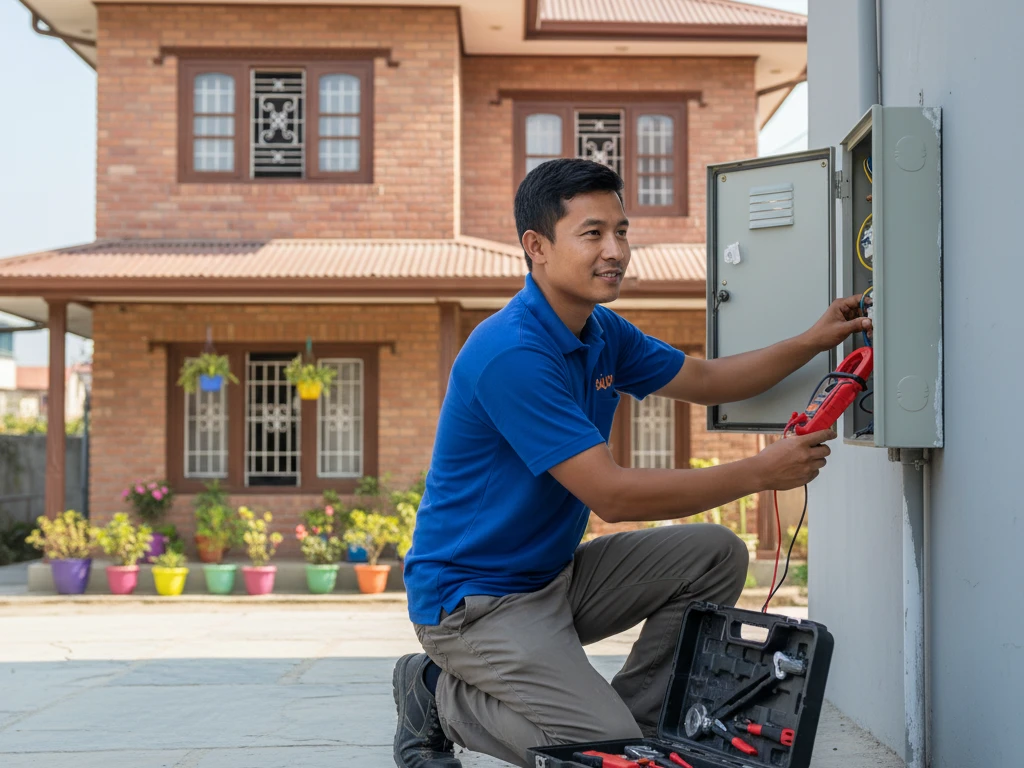
Electricity powers almost everything in your home from lighting and appliances to essential devices. But have you ever wondered if your home’s electrical system is actually safe?
In many homes across Kathmandu, electrical issues like overloaded circuits, outdated wiring, and improper installations are more common than you think. These hidden problems can lead to serious risks such as electric shocks, short circuits, and even fires.
That’s where an electrical safety audit becomes essential. It’s a professional inspection that identifies potential hazards and ensures your home meets safety standards.
🔍 What Is an Electrical Safety Audit?
An electrical safety audit is a detailed inspection of your home’s electrical system conducted by trained professionals.
It includes checking:
Wiring systems
Electrical panels
Load distribution
Earthing and grounding
Safety devices
The goal is simple: detect risks early and prevent accidents before they happen.
✅ Complete Electrical Safety Audit Checklist
Here’s what experts typically inspect during a professional electrical audit:
1. Main Distribution Board (DB) Inspection
The distribution board is the heart of your electrical system.
Experts check:
Proper labeling of circuits
Condition of circuit breakers (MCB/RCCB)
Signs of overheating or burning
Loose or exposed wiring
👉 Why it matters: Faulty DBs are a major cause of electrical fires.
2. Wiring Condition & Quality
Old or damaged wiring is one of the biggest safety risks.
Experts inspect:
Aging or brittle wires
Improper joints and taping
Overloaded wiring
Hidden wiring issues inside walls
👉 Why it matters: Poor wiring can cause short circuits and fire hazards.
3. Earthing (Grounding) System
A proper earthing system protects you from electric shocks.
Experts check:
Earthing resistance levels
Proper connection of grounding wires
Functionality of earthing rods
👉 Why it matters: Without proper grounding, even small faults can become deadly.
4. Circuit Load & Distribution
Overloading is very common in Kathmandu homes.
Experts analyze:
Load distribution across circuits
Appliance load vs circuit capacity
Risk of overheating
👉 Why it matters: Overloaded circuits can trip frequently or cause fires.
5. Safety Devices (MCB, RCCB, ELCB)
These devices are your first line of defense.
Experts check:
Functionality of MCBs (Miniature Circuit Breakers)
RCCB/ELCB for leakage protection
Trip sensitivity and response time
👉 Why it matters: Faulty safety devices fail during emergencies.
6. Signs of Overheating or Damage
Visual inspection plays a key role.
Experts look for:
Burn marks on sockets or switches
Melting insulation
Unusual smells
Discoloration
👉 Why it matters: These are early warning signs of serious hazards.
7. Switches, Sockets & Fixtures
Daily-use components also need inspection.
Experts check:
Loose sockets
Damaged switches
Improper fittings
Low-quality materials
👉 Why it matters: Faulty fixtures increase shock risk.
8. Backup Systems & Inverters
If you use inverters or backup systems, they must be safe.
Experts inspect:
Wiring connections
Load compatibility
Battery safety
👉 Why it matters: Improper setups can damage appliances or cause accidents.
9. Appliance Safety Check
Heavy appliances can overload circuits.
Experts review:
AC units, heaters, geysers
Power consumption
Dedicated circuit requirements
👉 Why it matters: High-load appliances need proper setup to avoid hazards.
10. Compliance & Safety Standards
Professionals ensure your system meets safety standards.
They check:
Installation practices
Code compliance
Overall system reliability
👉 Why it matters: Non-compliant systems are unsafe and inefficient.
🚨 Warning Signs You Shouldn’t Ignore
You may need an electrical safety audit immediately if you notice:
Frequent power trips
Burning smell from switches
Flickering lights
Electric shocks from appliances
Overheating sockets
Ignoring these signs can lead to serious damage or fire hazards.
🛠️ Why Electrical Safety Audit Is Important in Kathmandu
Homes in Kathmandu often face:
Old wiring systems
Unplanned load expansion
Voltage fluctuations
Poor installation practices
That’s why regular audits are not just recommended—they’re essential.
Why Choose Sajilo Sewa for Electrical Safety Audit?
When it comes to safety, you need professionals you can trust.
Trained and verified electricians
Complete home inspection
Transparent pricing
Quick and reliable service
Safety-first approach
👉 Whether it’s a small issue or a full inspection, Sajilo Sewa ensures your home is safe and secure.
📞 When Should You Book an Electrical Audit?
You should schedule an audit if:
Your home is older than 5–10 years
You’ve recently added heavy appliances
You experience frequent electrical issues
You’re moving into a new house
🚀 Final Thoughts
Electrical problems are often hidden but their consequences can be severe. A professional electrical safety audit helps you identify risks early, protect your home, and ensure your family’s safety.
Don’t wait for an accident to happen.
✅ Book Your Electrical Safety Audit Today
Ensure your home is safe with a professional inspection from Sajilo Sewa.
👉 Book now and stay protected from electrical hazards.
❓ FAQs
1. What is included in an electrical safety audit?
It includes inspection of wiring, panels, earthing, safety devices, and load distribution.
2. How often should I do an electrical audit?
Ideally every 3–5 years or when you notice electrical issues.
3. Is an electrical audit necessary for new homes?
Yes, to ensure proper installation and safety compliance.
4. How long does an electrical audit take?
Typically 1–2 hours depending on the size of your home.
5. Can I do an electrical audit myself?
Basic checks are possible, but a professional audit is recommended for accuracy and safety.